Who is Alice Cooper, and why is he such an iconic figure in rock music?
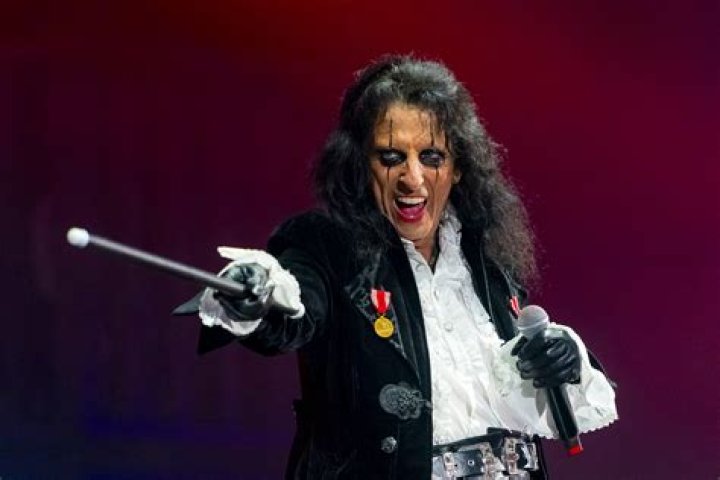
Alice Cooper is the stage name of Vincent Damon Furnier, an American singer, songwriter, and actor whose career spans over five decades. He is known for his theatrical stage shows, which feature elaborate costumes, props, and pyrotechnics, and for his distinctive raspy singing voice.
Cooper rose to fame in the early 1970s with his band Alice Cooper, which released a string of hit albums, including "Love It to Death" (1971), "Killer" (1971), and "School's Out" (1972). Cooper's music is often characterized by its dark and macabre themes, and he has been credited with pioneering the shock rock genre.
In addition to his music career, Cooper has also appeared in a number of films and television shows, including "Dark Shadows" (1970), "Wayne's World" (1992), and "The Nightmare Before Christmas" (1993). He has also written several books, including his autobiography, "Alice Cooper: Golf Monster" (2007).
Alice Cooper is a true rock icon, and his influence can be seen in the work of many contemporary artists. He is a pioneer of the shock rock genre, and his music and stage shows have entertained and shocked audiences for decades.
Alice Cooper
Some of the key aspects that have contributed to Alice Cooper's success include:
- His distinctive raspy singing voice
- His theatrical stage shows
- His dark and macabre themes
- His pioneering role in the shock rock genre
Alice Cooper
| Name | Vincent Damon Furnier |
|---|---|
| Birthdate | February 4, 1948 |
| Birthplace | Detroit, Michigan |
| Occupation | Singer, songwriter, actor |
| Years active | 1964-present |
Alice Cooper
Alice Cooper has released 28 studio albums, 10 live albums, and 40 singles over the course of his career. Some of his most popular albums include:
- "Love It to Death" (1971)
- "Killer" (1971)
- "School's Out" (1972)
- "Billion Dollar Babies" (1973)
- "Muscle of Love" (1973)
Alice Cooper
Alice Cooper has appeared in over 20 films and television shows, including:
- "Dark Shadows" (1970)
- "Wayne's World" (1992)
- "The Nightmare Before Christmas" (1993)
- "Freddy's Dead: The Final Nightmare" (1991)
- "Suck" (2009)
Alice Cooper
Alice Cooper is a pioneer of shock rock, known for his theatrical stage shows and dark, macabre themes. Here are five key aspects that have contributed to his success:
- Theatrical stage shows: Cooper's shows are known for their elaborate costumes, props, and pyrotechnics, creating a visually stunning and immersive experience for audiences.
- Dark and macabre themes: Cooper's music often explores dark and macabre themes, including death, violence, and insanity, which has both fascinated and shocked audiences.
- Distinctive raspy voice: Cooper's raspy, gravelly singing voice is instantly recognizable and has become one of his trademarks.
- Pioneering role in shock rock: Cooper is credited with pioneering the shock rock genre, which combines elements of rock music with theatrical and horror elements.
- Influence on contemporary artists: Cooper's influence can be seen in the work of many contemporary artists, including Marilyn Manson, Rob Zombie, and Slipknot.
These five key aspects have made Alice Cooper one of the most iconic and influential figures in rock music. His theatrical stage shows, dark and macabre themes, distinctive raspy voice, pioneering role in shock rock, and influence on contemporary artists have all contributed to his enduring legacy.
Personal Details and Bio Data of Alice Cooper
| Name | Vincent Damon Furnier |
|---|---|
| Birthdate | February 4, 1948 |
| Birthplace | Detroit, Michigan |
| Occupation | Singer, songwriter, actor |
| Years active | 1964-present |
Theatrical stage shows
Alice Cooper's theatrical stage shows are an integral part of his persona and have played a major role in his success. His shows are known for their elaborate costumes, props, and pyrotechnics, which create a visually stunning and immersive experience for audiences. Cooper's use of theatrics has helped to set him apart from other rock musicians and has made his shows a must-see for fans of rock music.
One of the most iconic elements of Cooper's stage shows is his use of costumes. Cooper has worn a variety of costumes over the years, including a straitjacket, a nurse's uniform, and a giant snake. His costumes often reflect the dark and macabre themes of his music, and they help to create a sense of unease and suspense among the audience.
In addition to his costumes, Cooper also uses a variety of props in his stage shows. These props often include swords, knives, and other dangerous objects. Cooper's use of props helps to create a sense of danger and excitement, and it keeps the audience on the edge of their seats.
Finally, Cooper's use of pyrotechnics is another key element of his stage shows. Pyrotechnics can be used to create a variety of effects, including explosions, fire, and smoke. Cooper's use of pyrotechnics helps to create a sense of spectacle and excitement, and it makes his shows even more visually stunning.
Overall, Alice Cooper's theatrical stage shows are an essential part of his persona and have played a major role in his success. His shows are known for their elaborate costumes, props, and pyrotechnics, which create a visually stunning and immersive experience for audiences. Cooper's use of theatrics has helped to set him apart from other rock musicians and has made his shows a must-see for fans of rock music.
Dark and macabre themes
Alice Cooper's music is known for its dark and macabre themes, which have both fascinated and shocked audiences for decades. Cooper's songs often explore themes of death, violence, and insanity, and his lyrics are often graphic and disturbing. However, beneath the surface of Cooper's dark and macabre themes lies a deeper message about the human condition.
Cooper's music is often seen as a reflection of his own personal struggles with mental illness and addiction. In his songs, Cooper explores the dark side of human nature, and he does not shy away from difficult topics. Cooper's music can be seen as a way of exorcising his own demons, and it can also be seen as a way of helping others to understand their own struggles.
Cooper's dark and macabre themes have also been influential in the development of other rock and metal bands. Bands such as Marilyn Manson, Rob Zombie, and Slipknot have all been influenced by Cooper's music, and they have all adopted their own dark and macabre themes. Cooper's music has helped to create a subgenre of rock music that is known as shock rock, and he is considered to be one of the pioneers of the genre.
Overall, Alice Cooper's dark and macabre themes are an essential part of his music. His songs explore the dark side of human nature, and they can be seen as a reflection of his own personal struggles. Cooper's music has also been influential in the development of other rock and metal bands, and it has helped to create a subgenre of rock music that is known as shock rock.
Distinctive raspy voice
Alice Cooper's distinctive raspy voice is one of the most recognizable voices in rock music. His voice is often described as gravelly, raspy, and guttural, and it has become one of his trademarks. Cooper's voice is perfectly suited to his dark and macabre style of music, and it helps to create a sense of unease and suspense among the audience.
Cooper's voice has been compared to that of a crow or a raven, and it has been said that he can sing like a demon. His voice is a powerful instrument, and he uses it to great effect in his music. Cooper's voice is one of the things that makes him unique, and it is one of the reasons why he is considered to be one of the greatest rock singers of all time.
In addition to his unique voice, Cooper is also known for his theatrical stage shows. His shows are often elaborate and over-the-top, and they feature a variety of props, costumes, and pyrotechnics. Cooper's stage shows are a perfect complement to his music, and they help to create a truly immersive experience for the audience.
Alice Cooper is a true rock icon, and his distinctive raspy voice is one of the things that makes him so unique. His voice is perfectly suited to his dark and macabre style of music, and it helps to create a sense of unease and suspense among the audience. Cooper's voice is one of the things that makes him so recognizable, and it is one of the reasons why he is considered to be one of the greatest rock singers of all time.
Pioneering role in shock rock
Alice Cooper is widely recognized as the pioneer of shock rock, a genre that blends rock music with theatrical and horror elements to create a visually and aurally stimulating experience for audiences. Cooper's groundbreaking approach to rock performance has significantly influenced the development of the genre and continues to inspire contemporary artists.
One of the key aspects of Cooper's pioneering role in shock rock is his incorporation of theatrical elements into his live performances. His elaborate stage shows feature elaborate costumes, props, and pyrotechnics, creating a visually captivating spectacle that enhances the impact of his music. Cooper's use of theatrical elements has set a precedent for other shock rock artists, who have adopted similar strategies to engage and entertain their audiences.
Furthermore, Cooper's exploration of horror themes in his music and stage persona has played a pivotal role in shaping the identity of shock rock. His songs often delve into dark and macabre subject matter, exploring themes of death, violence, and insanity. Cooper's willingness to confront these unsettling topics has pushed the boundaries of rock music and has inspired other artists to embrace darker and more provocative themes in their work.
The practical significance of understanding Cooper's pioneering role in shock rock lies in its impact on the evolution of rock music and popular culture. Cooper's innovative approach to performance and his exploration of taboo subjects have challenged conventional norms and expanded the possibilities of rock music. His influence can be seen in the work of countless subsequent artists, who have drawn inspiration from his unique style and willingness to push creative boundaries.
In summary, Alice Cooper's pioneering role in shock rock is a testament to his creativity and willingness to challenge the status quo. His integration of theatrical elements and exploration of horror themes have shaped the identity of the genre and continue to influence contemporary artists. Understanding Cooper's contributions is essential for appreciating the evolution of rock music and the ongoing impact of shock rock on popular culture.
Influence on contemporary artists
Alice Cooper's influence on contemporary artists is undeniable. His pioneering role in shock rock has paved the way for a new generation of musicians to explore dark and macabre themes in their music and stage performances. Three prominent examples of Cooper's influence are Marilyn Manson, Rob Zombie, and Slipknot.
Marilyn Manson, known for his controversial stage persona and exploration of themes related to death, violence, and the occult, has often cited Cooper as a major inspiration. Manson's theatrical performances, complete with elaborate costumes and props, bear a striking resemblance to Cooper's own stage shows. Similarly, Rob Zombie, with his horror-themed lyrics and music videos, has acknowledged Cooper's influence on his artistic style.
Slipknot, known for their distinctive masks and aggressive sound, have also been influenced by Cooper's approach to shock rock. The band's use of pyrotechnics and disturbing imagery in their live performances echoes Cooper's own theatrics. These contemporary artists have taken Cooper's legacy and expanded upon it, creating their unique interpretations of shock rock while paying homage to its pioneer.
Understanding the connection between Cooper's influence and contemporary artists highlights the significance of his contributions to rock music. His willingness to challenge conventions and explore taboo subjects has created a lasting impact on the genre. By inspiring younger artists to push creative boundaries, Cooper has ensured the continuation of shock rock as a vital and provocative force in popular culture.
Frequently Asked Questions about Alice Cooper
This section provides answers to commonly asked questions about Alice Cooper, shedding light on his career, persona, and influence.
Question 1: What is Alice Cooper's real name?
Alice Cooper is the stage name of Vincent Damon Furnier, an American singer, songwriter, and actor.
Question 2: What genre of music is Alice Cooper known for?
Alice Cooper is primarily known for his shock rock genre, which combines elements of rock music with theatrical and horror elements.
Summary of key takeaways or final thought: Alice Cooper's stage name, Vincent Damon Furnier, and his pioneering role in shock rock have left an indelible mark on the music industry.
Conclusion
Alice Cooper's journey as a rock icon spans decades, marked by his groundbreaking contributions to shock rock and his enduring influence on contemporary artists. Through his theatrical stage performances, exploration of dark themes, and distinctive raspy voice, Cooper has left an indelible mark on the music industry.
Cooper's pioneering spirit has paved the way for a new generation of musicians to push creative boundaries and challenge societal norms. His influence continues to inspire and shape the sound and aesthetics of rock music, ensuring the longevity of shock rock as a genre. Alice Cooper's legacy as a rock icon endures, serving as a testament to the power of artistic innovation and self-expression.